

7 Interesting Facts about Adobe Stock
Since its launch, Adobe Stock has garnered positive reviews from experts and users. With over 40 million illustrations, photos and vectors, you will surely find something to suit your budget and your creative needs. However, aside from that marvelous fact, there are other things you will surely love about the brand new stock photo service. Let us find out what they are!
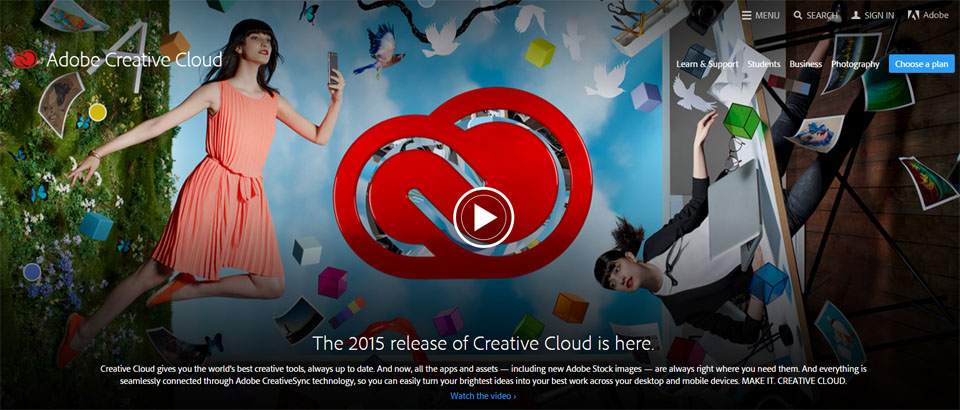
- Adobe Stock is integrated with Creative Cloud. Yes, that’s right! The website is integrated with your Creative Cloud application, helping you save time and money. You do not need to download the image to your computer anymore. You can save it directly to your library.
- It offers 40% discount to Creative Cloud members. Are you a Creative Cloud member? If you are, then you are in for a treat. You can get 40% discount when you purchase an image or subscribe to a plan.
- Your photos are rolled over. With Adobe Stock, you do not have to worry about not using all your photos up. For instance, you are subscribed to a plan that gives you 10 photos a month but you only used up 5 or 6. The remaining images are rolled over to the next month. In fact, you can roll over as many as 120 images.
- You can select among images, illustrations and vectors. You do not have to manually sort out photos, illustrations and vectors when looking for an image. Simply click “just photo”, “just illustration”, or “just vectors” in the search bar. Moreover, you can choose all three if you are not sure what you’re going to get.
- Adobe Stock offers other images you might like. Once you find an image you like, you can click on the image to see other details. From there, you will find other images you might like, giving you the chance to find something you like better.
- You do not have to buy the image to see how it will look. This is the best part. If you want to know how the image will look like, you do not have to buy it yet. You can download a preview of it and save it to your library.
- The full image will automatically replace the preview. Once you are sure of the image, you can simply click on the image in your library and select license the image. You can also go back to the website and license the image there. After that, you do not have to undergo the same process of photo-editing. The high-resolution image will automatically replace the low-resolution, watermarked version.
Adobe Stock clearly has a lot of things in store for both Creative Cloud users and non-users. While members have an upper hand over those who are not, this does not hinder them from using the website to fulfill their creative projects.
Bulk Stock Photo Downloads for Agencies: A Smarter Way to Scale Creative Production

In today’s fast-paced creative landscape, agencies are under constant pressure to deliver high-quality visuals quickly, consistently, and at scale. Whether producing campaigns for multiple clients or managing content across platforms, sourcing images efficiently is critical. This is where bulk stock photo downloads for agencies become a strategic advantage—streamlining workflows while controlling costs.
Understanding Bulk Stock Photo Downloads
Bulk stock photo downloads allow agencies to access and download a large volume of images under a single plan or agreement. Instead of purchasing images one by one, agencies gain the flexibility to source visuals as needed, often through monthly or annual subscriptions or credit-based packages. This model is designed to support high-volume usage without slowing down creative teams.
Why Agencies Benefit from Bulk Downloads
Agencies operate differently from individual creators. Multiple designers, marketers, and content teams often need simultaneous access to visuals. Bulk download plans address this need by offering shared access, higher download limits, and centralized licensing. This ensures that teams can work in parallel without delays or repeated approvals, ultimately speeding up project delivery.
Cost Efficiency and Budget Control
One of the most significant advantages of bulk stock photo downloads is cost predictability. Purchasing images individually can quickly inflate project budgets, especially for agencies handling multiple clients. Bulk plans consolidate expenses into a single, manageable cost, often reducing the per-image price substantially. This allows agencies to allocate resources more effectively while maintaining profitability.
Streamlined Creative Workflows
With bulk access, creative teams can experiment more freely. Designers can test multiple visuals, iterate quickly, and refine concepts without worrying about incremental costs for each download. This freedom encourages creativity and reduces friction between strategy, design, and approval stages. Centralized libraries and account management also make it easier to track usage and maintain consistency across campaigns.
Licensing Confidence for Commercial Use
Agencies must be vigilant about image licensing, as errors can lead to legal and reputational risks. Bulk stock photo plans typically include clear, standardized licenses for commercial use. This simplifies compliance, especially when images are used across websites, social media, digital ads, and print materials for different clients. Knowing that assets are properly licensed provides peace of mind for both agencies and their clients.
Supporting Multi-Client and Multi-Channel Needs
Agencies often manage diverse brands across various industries, each with unique visual requirements. Bulk stock photo downloads provide access to extensive libraries covering business, lifestyle, technology, healthcare, and more. This breadth ensures that agencies can meet varied client needs without switching platforms or renegotiating licenses.
Choosing the Right Bulk Download Plan
When selecting a bulk stock photo solution, agencies should evaluate factors such as download limits, team access, license scope, and content quality. A plan that aligns with project volume and team size will deliver the greatest value. Scalability is also key—agencies should choose solutions that can grow alongside their client base.
Conclusion
Bulk stock photo downloads for agencies are more than a convenience; they are a strategic tool for efficiency, creativity, and cost control. By enabling fast access to licensed, high-quality visuals at scale, these plans empower agencies to focus on what matters most—delivering impactful, visually compelling work for their clients.
Perchance AI Video Generator: Create Stunning Videos in Minutes

Get ready to unleash your creativity with Perchance AI Video Generator! This groundbreaking tool is revolutionizing the way we create and share visual content. With just a few clicks, anyone can bring their wildest ideas to life in stunning video form.
Imagine having a personal movie studio at your fingertips, capable of producing professional-quality videos in minutes. That’s exactly what Perchance offers. Whether you’re a marketer, educator, or social media enthusiast, this AI-powered platform opens up a world of possibilities for engaging your audience like never before. From eye-catching animations to dynamic storytelling, Perchance is changing the game for video content creation.
What Is Perchance AI Video Generator?
Perchance AI Video Generator is a cutting-edge tool that revolutionizes the video creation process. This innovative platform harnesses the power of artificial intelligence to transform ideas into captivating visual content effortlessly.
Key Features and Capabilities
Perchance AI Video Generator boasts an array of impressive features that set it apart from traditional video editing tools:
- Intuitive interface for easy navigation
- Vast library of pre-designed templates
- AI-powered text-to-video conversion
- Automatic scene generation based on input
- Dynamic animations and transitions
- High-quality rendering for professional results
- Customizable elements for brand consistency
- Multi-platform compatibility for seamless sharing
These capabilities empower users to create stunning videos without extensive technical knowledge or design skills.
How It Works
The Perchance AI Video Generator operates through a sophisticated AI-driven process:
- Input: Users provide text, images, or basic ideas
- Analysis: AI interprets the input and determines optimal visual representation
- Generation: The system creates video elements, scenes, and transitions
- Customization: Users can fine-tune generated content
- Rendering: Final video is compiled with high-quality output
This streamlined workflow allows for rapid video production, enabling users to transform concepts into polished visual narratives in minutes rather than hours.
Getting Started with Perchance AI Video Generator
Diving into the world of AI-powered video creation has never been more exciting! The Perchance AI Video Generator offers a seamless experience for users of all skill levels, making it a breeze to start crafting stunning videos in minutes.
User Interface Overview
The Perchance AI Video Generator boasts an intuitive interface designed for maximum efficiency. Users are greeted with a clean, modern dashboard that showcases essential features at a glance. The left sidebar houses project management tools, while the main workspace dominates the screen, providing ample room for creativity. Quick-access buttons for template selection, asset library, and AI-powered tools are prominently displayed, ensuring a smooth workflow from start to finish.
Creating Your First AI-Generated Video
Crafting your inaugural video with the Perchance AI Video Generator is an exhilarating experience. Users begin by selecting a template or starting from scratch. The AI-powered text-to-video feature allows for rapid scene generation based on written prompts. Simply input your desired narrative, and watch as the generator brings your words to life with dynamic visuals and animations. Fine-tune elements such as color schemes, transitions, and audio tracks using the intuitive editing tools. Within minutes, users can transform their ideas into professional-quality videos ready for sharing across multiple platforms.
Advanced Techniques and Tips
The Perchance AI Video Generator offers a range of advanced features for users looking to take their video creation to the next level. These techniques and tips empower creators to produce even more stunning and impactful content.
Customizing Video Output
The Perchance AI Video Generator provides extensive customization options to make videos truly unique. Users can adjust color grading, apply filters, and fine-tune transitions to match their brand’s aesthetic. The platform’s AI-powered scene suggestions offer creative alternatives, allowing creators to experiment with different visual styles. By leveraging the built-in asset library, users can incorporate custom graphics, logos, and animations to enhance their videos’ professionalism and brand consistency.
Optimizing for Quality Results
To achieve the best results with the Perchance AI Video Generator, users should focus on input quality and attention to detail. Starting with high-resolution images and well-crafted scripts ensures the AI has the best material to work with. Experimenting with different text prompts can lead to more diverse and exciting visual outcomes. Users should also take advantage of the platform’s preview function to refine their videos iteratively, making small adjustments to timing, pacing, and visual elements for maximum impact. By combining these optimization techniques, creators can consistently produce high-quality, engaging videos that stand out in today’s crowded digital landscape.
Comparison with Other AI Video Tools
The Perchance AI Video Generator stands out in the crowded field of AI-powered video creation tools. Its unique features and capabilities set it apart from competitors, offering users a powerful yet accessible platform for creating stunning visual content.
Strengths and Limitations
The Perchance AI Video Generator excels in several areas compared to other AI video tools. Its intuitive interface and AI-powered text-to-video conversion make it incredibly user-friendly, allowing even beginners to create professional-quality videos quickly. The platform’s vast library of pre-designed templates and automatic scene generation give users a head start in their creative process, saving time and effort.
One of the Perchance AI Video Generator’s key strengths lies in its dynamic animations and high-quality rendering capabilities. These features enable users to produce visually striking videos that captivate audiences across various platforms. Additionally, the tool’s customizable elements for brand consistency set it apart from many competitors, allowing businesses and content creators to maintain a cohesive visual identity throughout their video content.
However, like any tool, the Perchance AI Video Generator has its limitations. While it offers extensive customization options, users seeking highly specialized or complex video effects may find the platform’s capabilities somewhat constrained compared to more advanced video editing software. Additionally, the reliance on AI-generated content may sometimes result in outputs that require further refinement to fully match the user’s vision.
Despite these limitations, the Perchance AI Video Generator’s strengths far outweigh its drawbacks, making it an excellent choice for users looking to create engaging video content quickly and efficiently.
Potential Applications and Use Cases

The Perchance AI Video Generator opens up a world of possibilities across various industries and sectors. Its versatility and ease of use make it an invaluable tool for professionals and creatives alike, revolutionizing the way visual content is produced and shared.
Creative Industries
The Perchance AI Video Generator is a game-changer for creative professionals. Filmmakers can quickly prototype storyboards and visualize complex scenes before shooting. Animators leverage the platform’s dynamic animations to create eye-catching shorts and promos. Graphic designers utilize the tool to bring static designs to life, adding motion and depth to their work. The AI-powered scene generation empowers artists to explore new visual styles and push creative boundaries, resulting in unique and captivating content that stands out in the digital landscape.
Marketing and Advertising
In the fast-paced world of marketing and advertising, the Perchance AI Video Generator proves invaluable. Marketing teams use it to create engaging social media content, product demonstrations, and brand stories in minutes. Advertisers craft attention-grabbing video ads tailored to specific platforms and audiences. The tool’s ability to quickly iterate and produce multiple versions of an ad allows for A/B testing and optimization of campaigns. With its vast template library and customization options, brands maintain consistency across all video content while saving time and resources in the production process.
Ethical Considerations and Future Developments

As the Perchance AI Video Generator continues to revolutionize content creation, it’s crucial to address ethical concerns and explore future advancements. This section delves into the potential challenges and exciting possibilities that lie ahead for this groundbreaking technology.
AI-Generated Content Concerns
The rise of AI-generated content raises important ethical questions. Content authenticity becomes a primary concern as the Perchance AI Video Generator blurs the line between human-created and machine-generated videos. Users must grapple with issues of copyright, ownership, and the potential for deepfakes or misleading content. Privacy concerns also emerge, particularly when AI systems process and potentially store personal data or likeness information. As the technology advances, it’s essential to establish clear guidelines and safeguards to protect individuals and maintain the integrity of digital content.
Upcoming Features and Improvements
The future of the Perchance AI Video Generator is brimming with potential. Anticipated enhancements include more sophisticated natural language processing capabilities, allowing for even more nuanced text-to-video conversions. Advanced machine learning algorithms promise to deliver hyper-realistic animations and seamless integration of user-provided assets. The development team is also exploring real-time collaboration features, enabling multiple users to work on projects simultaneously. Additionally, they’re focusing on expanding the platform’s compatibility with emerging technologies like virtual and augmented reality, opening up new dimensions for immersive storytelling and interactive experiences.
Key Takeaways
- Perchance AI Video Generator revolutionizes content creation with AI-powered text-to-video conversion
- The tool offers an intuitive interface, vast template library, and high-quality rendering capabilities
- Users can create professional-quality videos quickly, without extensive technical knowledge
- Perchance AI Video Generator has applications in creative industries, marketing, and advertising
- Future developments may include advanced natural language processing and VR/AR integration
Conclusion
The Perchance AI Video Generator is revolutionizing content creation! It’s empowering users across industries to bring their ideas to life with stunning visuals. This powerful tool combines user-friendly interfaces with cutting-edge AI technology.
As the platform evolves it’ll unlock even more creative possibilities. From hyper-realistic animations to immersive storytelling experiences the future of video creation looks incredibly bright. The Perchance AI Video Generator isn’t just a tool – it’s a gateway to a new era of digital creativity!
Frequently Asked Questions
What is the Perchance AI Video Generator?
The Perchance AI Video Generator is a cutting-edge tool that uses artificial intelligence to transform ideas into captivating visual content. It features an intuitive interface, pre-designed templates, AI-powered text-to-video conversion, and automatic scene generation. This platform allows users to create professional-quality videos quickly and easily, making it accessible for marketers, educators, and social media enthusiasts.
How does the Perchance AI Video Generator work?
The generator uses a streamlined AI-driven process. Users input text or images, which the AI analyzes to determine the best visual representation. It then generates video elements and scenes based on this analysis. Users can customize the content before the final video is rendered, allowing for rapid production of polished visual narratives in minutes rather than hours.
Who can benefit from using the Perchance AI Video Generator?
The Perchance AI Video Generator is beneficial for a wide range of users, including marketers, educators, social media enthusiasts, filmmakers, animators, and graphic designers. It’s particularly useful for those looking to create engaging video content quickly and efficiently, without needing extensive technical knowledge or design skills.
What are the key features of the Perchance AI Video Generator?
Key features include an intuitive interface, AI-powered text-to-video conversion, a vast library of pre-designed templates, automatic scene generation, dynamic animations, high-quality rendering, customizable elements for brand consistency, and multi-platform compatibility. These features enable users to create stunning videos without extensive technical expertise.
How does Perchance compare to other AI video generators?
Perchance stands out with its intuitive interface, user-friendly AI-powered text-to-video conversion, and vast template library. It excels in producing visually striking videos with dynamic animations. While it may have some limitations in specialized effects, it’s an excellent choice for quickly creating engaging video content.
Are there any ethical considerations when using AI-generated content?
Yes, there are ethical considerations surrounding AI-generated content, including concerns about authenticity, copyright, and privacy. It’s important to use AI-generated content responsibly and be aware of potential legal and ethical implications. Clear guidelines are needed to protect individuals and maintain the integrity of digital content.
What future developments can we expect from the Perchance AI Video Generator?
Future developments may include enhanced natural language processing, hyper-realistic animations, real-time collaboration features, and compatibility with emerging technologies like virtual and augmented reality. These advancements promise to expand the platform’s capabilities for immersive storytelling and interactive experiences.
Unlocking Shutterstock: Your Ultimate Guide to High-Quality Visual Content

In today’s digital age, visual content has become an essential component of effective communication. Whether you’re a blogger, marketer, or business owner, high-quality images can make or break your message. That’s where Shutterstock comes in.
We’ve all encountered the challenge of finding the perfect image to complement our content. Shutterstock, a leading stock photography website, offers a vast library of professional-grade photos, videos, and illustrations to suit any project. With millions of assets at your fingertips, it’s no wonder that Shutterstock has become a go-to resource for creatives and businesses alike.
Key Takeaways
- Shutterstock is a leading online marketplace for high-quality digital content, offering millions of stock photos, videos, illustrations, and audio files.
- The platform provides flexible licensing options, including subscriptions, on-demand purchases, and enterprise solutions to suit various user needs and budgets.
- Advanced search capabilities, AI-powered algorithms, and features like Shutterstock Editor enhance user experience and streamline content creation.
- While Shutterstock offers numerous benefits, users should be aware of potential drawbacks such as licensing restrictions and the risk of using overused content.
- Alternatives to Shutterstock include other stock media platforms like Adobe Stock and iStock, as well as free stock photo websites for budget-conscious users.
- To maximize your Shutterstock experience, utilize specific keywords, advanced search filters, and leverage tools like the mobile app and API integration options.
What Is Shutterstock?
Shutterstock is a leading online marketplace for high-quality digital content, including stock photographs, vector graphics, illustrations, and video footage. It serves as a platform connecting creators and consumers of visual media, catering to a wide range of industries and professionals.
A Brief History of Shutterstock
Shutterstock was founded in 2003 by Jon Oringer, a programmer and photographer. Oringer initially uploaded 30,000 of his own stock photos to create the website. The company quickly grew, attracting contributors and customers worldwide. In 2012, Shutterstock went public on the New York Stock Exchange, solidifying its position as a major player in the stock media industry.
How Shutterstock Works
Shutterstock operates on a two-sided marketplace model:
- Contributors: Photographers, illustrators, and videographers upload their work to the platform.
- Customers: Individuals and businesses browse and purchase licenses for the content they need.
The platform uses advanced search algorithms and AI-powered tools to help users find relevant content quickly. Shutterstock offers various licensing options, including:
- Standard licenses for common uses
- Enhanced licenses for more extensive rights
- Subscriptions for frequent users
Shutterstock competes with other stock media platforms like Adobe Stock and iStock, differentiating itself through its vast library, user-friendly interface, and innovative features such as reverse image search and AI-generated content.
Types of Content Available on Shutterstock
Shutterstock offers a diverse range of visual and audio content to meet various creative needs. Here’s an overview of the main content types available on the platform:
Images and Illustrations
Shutterstock’s extensive library includes millions of high-quality photographs and illustrations. Users can find images covering a wide array of subjects, from nature and landscapes to business and technology. The platform offers both stock photos and vector illustrations, catering to different design requirements. Shutterstock’s image collection is regularly updated, ensuring fresh content for users’ projects.
Video Footage
In addition to still images, Shutterstock provides a vast selection of video footage. This includes HD and 4K clips suitable for various applications, such as commercials, documentaries, and social media content. The video library covers diverse themes and styles, from time-lapse cityscapes to slow-motion nature shots. Shutterstock’s video content is professionally shot and edited, offering high production value for users’ projects.
Music and Sound Effects
Shutterstock’s audio offerings complement its visual content. The platform features a wide range of royalty-free music tracks and sound effects. Users can find audio clips suitable for different moods and genres, enhancing their video productions or multimedia projects. The sound effects library includes everything from ambient noises to specific action sounds, providing audio professionals with the tools they need to create immersive experiences.
Licensing Options and Pricing
Shutterstock offers flexible licensing options to cater to diverse user needs. We’ll explore the various plans and pricing structures available for individuals, businesses, and enterprises.
Subscription Plans
Shutterstock’s subscription plans provide cost-effective solutions for regular content users. These plans offer a set number of downloads per month, with options ranging from 10 to 750 images. Prices vary based on the number of downloads and subscription duration, with annual plans offering significant savings compared to monthly options. Subscribers gain access to Shutterstock’s extensive library of high-quality images, illustrations, and vectors, making it an attractive choice for businesses with ongoing content needs.
On-Demand Purchases
For users with sporadic or specific content requirements, Shutterstock offers on-demand purchasing options. These include image packs and single-image downloads, allowing customers to buy only what they need without committing to a subscription. Image packs typically come in sizes of 5, 25, or 50 downloads, offering a balance between flexibility and cost-effectiveness. Single-image purchases are ideal for one-time projects or when a specific image is required.
Enterprise Solutions
Shutterstock’s enterprise solutions cater to large organizations with complex content needs. These customizable plans offer features such as team collaboration tools, dedicated account management, and enhanced licensing options. Enterprise customers benefit from unlimited downloads, access to Shutterstock’s entire library, and advanced search capabilities. Additionally, Shutterstock provides API integration for seamless incorporation into existing workflows, making it a comprehensive solution for large-scale content requirements.
Key Features of Shutterstock
Shutterstock offers a range of powerful features that set it apart from competitors like Adobe Stock and iStock. These features enhance user experience and streamline the content creation process for professionals across various industries.
Advanced Search Capabilities
Shutterstock’s advanced search capabilities make finding the perfect asset a breeze. The platform employs AI-powered algorithms to understand and interpret search queries, delivering highly relevant results. Users can filter by various criteria, including:
- Image type (photo, vector, illustration)
- Orientation (horizontal, vertical, square)
- Color palette
- Number of people
- Ethnicity
- Age
- Gender
The platform’s innovative “Similar Images” feature lets users find visually related content, saving time and expanding creative options. Shutterstock’s reverse image search functionality allows users to upload an image and find similar options within the library.
Shutterstock Editor
The Shutterstock Editor is a user-friendly, web-based design tool that enables quick and easy customization of images and templates. Key features include:
- Drag-and-drop interface for effortless editing
- Extensive library of pre-designed templates
- Text overlay options with various fonts and styles
- Ability to resize images for different social media platforms
- One-click removal of image backgrounds
- Integration with Shutterstock’s vast library for seamless asset incorporation
This tool empowers users to create professional-looking designs without the need for complex software, making it ideal for social media managers, marketers, and small business owners.
Mobile Apps
Shutterstock’s mobile apps extend the platform’s functionality to iOS and Android devices, allowing users to access and manage their accounts on-the-go. The apps offer:
- Browse and download images directly to mobile devices
- Offline image collections for easy access without internet connection
- Integration with mobile editing apps for seamless workflow
- Ability to create and share lightboxes with team members
- Push notifications for account updates and new content alerts
These mobile solutions ensure that Shutterstock users can stay productive and creative, whether they’re in the office or on location shoots.
Pros and Cons of Using Shutterstock
Shutterstock offers numerous benefits and potential drawbacks for creators and businesses. We’ll explore both sides to help you make an informed decision about using this popular stock media platform.
Advantages for Creators and Businesses
Shutterstock provides several key advantages:
- Vast library: Access to millions of high-quality images, videos, and audio files
- Regular content updates: Fresh assets added daily to keep pace with trends
- Advanced search tools: AI-powered algorithms for efficient content discovery
- Flexible licensing options: Subscription plans and on-demand purchases to suit various needs
- User-friendly interface: Intuitive platform design for easy navigation and asset management
- Shutterstock Editor: Built-in editing tool for quick image customization
- Mobile accessibility: iOS and Android apps for on-the-go content access and management
- Competitive pricing: Cost-effective options compared to some competitors like Adobe Stock
- Licensing restrictions: Some assets have usage limitations or require additional permissions
- Overused content: Popular images may appear on multiple websites, reducing uniqueness
- Limited customization: Pre-made content may not perfectly fit specific brand aesthetics
- Quality variations: While generally high, image quality can vary among contributors
- Subscription commitments: Monthly download limits may not suit sporadic users
- Learning curve: New users may need time to navigate the extensive library effectively
- Competition with other platforms: iStock and Adobe Stock may offer unique content not found on Shutterstock
- Potential for copyright issues: Users must ensure proper usage to avoid legal complications
Alternatives to Shutterstock
While Shutterstock is a popular choice for stock media, there are several alternatives available to suit different needs and budgets. We’ll explore other stock media platforms and free stock photo websites that offer diverse content options.
Other Stock Media Platforms
Several competitors provide services similar to Shutterstock, each with its own unique features and content libraries:
- Adobe Stock: Integrated with Adobe Creative Cloud, it offers seamless workflow for designers using Adobe software.
- iStock: A Getty Images company, known for its curated collections and exclusive content.
- Getty Images: Renowned for high-end, editorial, and exclusive content, often used by major publications.
- Depositphotos: Offers competitive pricing and a vast library of images, videos, and vectors.
- Dreamstime: Features both free and premium content with a community-driven approach.
- 123RF: Provides a wide range of stock photos, vectors, footage, and audio at affordable prices.
These platforms compete with Shutterstock by offering unique features, pricing structures, and content libraries to cater to various user needs.
Free Stock Photo Websites
For those with limited budgets or seeking royalty-free images, several websites offer high-quality stock photos at no cost:
- Unsplash: Features a large collection of high-resolution photos contributed by photographers worldwide.
- Pexels: Offers free stock photos and videos for commercial use.
- Pixabay: Provides a vast library of free images, videos, and music.
- StockSnap.io: Offers a curated selection of high-quality, free stock photos.
- Kaboompics: Features free stock photos with color palettes and complementary photos.
- Burst by Shopify: Offers free stock photos tailored for e-commerce and online businesses.
These free alternatives can be excellent resources for bloggers, small businesses, and individuals looking for quality visuals without the cost associated with premium stock photo services.
Tips for Maximizing Your Shutterstock Experience

Optimizing your Shutterstock experience can help you find the perfect content for your projects efficiently and effectively. We’ll explore some key strategies to make the most of this powerful platform.
Finding the Perfect Content
To find the ideal content on Shutterstock, use specific keywords and combine them with advanced search filters. Utilize the platform’s AI-powered search algorithms to narrow down results by image type, orientation, color palette, and more. Take advantage of the “Similar Images” feature to explore related visuals that might better suit your needs. When searching for photos of people, use filters for age, ethnicity, and gender to find diverse representations that align with your project’s requirements.
Leveraging Shutterstock’s Tools
Shutterstock offers several tools to enhance your content creation process. The Shutterstock Editor allows for quick image customization, perfect for creating social media graphics or marketing materials. Use the mobile apps to access your account and download content on-the-go, ensuring you’re always ready to work on your projects. For web developers and designers, explore Shutterstock’s API integration options to streamline your workflow and access content directly within your preferred applications.
Conclusion
Shutterstock stands as a powerhouse in the world of stock media offering an extensive library of high-quality visuals and audio. We’ve explored its vast offerings flexible licensing options and innovative features that cater to diverse creative needs. While it’s not without drawbacks Shutterstock’s benefits make it a top choice for many. Whether you’re a seasoned professional or just starting out Shutterstock provides the tools and content to elevate your projects. By leveraging its advanced search capabilities and user-friendly interface you’ll find the perfect assets to bring your vision to life.
iStock: Unlock Premium Visuals for Your Creative Projects

In today’s digital age, businesses and content creators are constantly seeking high-quality visuals to enhance their projects. That’s where iStock comes in, offering a vast library of premium stock photos, illustrations, and videos.
We’ll explore how iStock has become a go-to resource for professionals across various industries. From its user-friendly interface to its diverse selection of content, we’ll delve into what makes this platform stand out in the competitive world of stock imagery. Whether you’re a marketer, designer, or small business owner, understanding iStock’s offerings can significantly impact your visual content strategy.
Key Takeaways
- iStock is a leading online marketplace for premium stock photos, illustrations, and videos, owned by Getty Images
- The platform offers high-quality, diverse content with user-friendly search features and AI-powered recommendations
- iStock provides flexible licensing options, including Standard and Extended licenses, with various pricing models
- Compared to competitors like Shutterstock and Adobe Stock, iStock offers unique advantages in content exclusivity and quality
- To maximize the iStock experience, users should utilize advanced search features and understand licensing terms thoroughly
What Is iStock?
iStock is a leading online marketplace for premium stock photography, illustrations, and videos. It’s a subsidiary of Getty Images, offering a vast library of high-quality visual content for creative professionals and businesses.
A Brief History of iStock
iStock, originally known as iStockphoto, was founded in 2000 by Bruce Livingstone. It began as a free stock imagery website, evolving into a micropayment-based model in 2001. Getty Images acquired iStock in 2006, solidifying its position in the stock media industry.
Over the years, iStock has faced competition from platforms like Shutterstock and Adobe Stock. However, it has maintained its reputation for quality and diversity in visual content. iStock’s growth parallels the increasing demand for digital imagery in marketing, web design, and publishing.
Today, iStock continues to be a go-to resource for millions of customers worldwide, offering a user-friendly platform and a vast selection of royalty-free images, illustrations, and videos. Its integration with Getty Images has further expanded its reach and content offerings, making it a formidable player in the stock media market.
How iStock Works

iStock provides a user-friendly platform for accessing and purchasing high-quality visual content. We’ll explore the process of finding images and understanding the licensing options available.
Searching for Images on iStock
iStock’s robust search engine allows users to find specific visuals quickly. We can use keywords, filters, and advanced search options to narrow down results. The platform offers intuitive browsing categories, curated collections, and trending topics to inspire creative projects. iStock’s AI-powered search feature suggests visually similar images, helping users discover alternatives that match their vision.
Licensing Options and Pricing
iStock offers flexible licensing options to suit various needs and budgets. We can choose between two main types of licenses:
- Standard License:
- Suitable for most common uses
- Allows for digital and print media with limited distribution
- Typically more affordable than Extended licenses
- Extended License:
- Provides broader usage rights
- Permits unlimited print runs and digital impressions
- Allows for merchandise and resale products
iStock’s pricing structure includes:
| Option | Description | Benefit |
|---|---|---|
| Credit Packs | Pre-purchased credits for individual downloads | Cost-effective for occasional use |
| Subscriptions | Monthly plans with set download limits | Ideal for frequent content needs |
| Premium Access | Custom enterprise solutions | Tailored for high-volume users |
While iStock’s pricing is competitive, it’s worth comparing with other platforms like Shutterstock and Adobe Stock to find the best value for specific project requirements. Each platform offers unique features and content libraries, so we recommend evaluating options based on individual needs and budget constraints.
Advantages of Using iStock

iStock offers several key advantages that make it a preferred choice for many professionals and businesses. Let’s explore the main benefits of using this platform for visual content needs.
High-Quality Images and Videos
iStock’s commitment to quality sets it apart from competitors. We find that:
- Every image and video undergoes rigorous quality checks before approval
- High-resolution files ensure sharp, clear visuals for various applications
- Professional photographers and videographers contribute to the platform, guaranteeing top-notch content
- Advanced search filters help users quickly find images that meet specific quality criteria
Diverse Content Selection
iStock’s vast library caters to a wide range of industries and creative needs. We’ve observed that:
- The platform offers millions of unique images, illustrations, and videos
- Content spans numerous categories, from business and technology to nature and lifestyle
- Regular updates keep the library fresh with trending and timely visuals
- iStock’s diverse selection often surpasses that of competitors like Shutterstock and Adobe Stock
- Cultural diversity is well-represented, allowing for more inclusive visual storytelling
- Niche and specialized content is available for specific industry requirements
By offering both high-quality visuals and a diverse content selection, iStock positions itself as a versatile resource for professionals across various fields.
iStock vs. Other Stock Photo Websites
iStock stands out in the competitive landscape of stock photo websites, offering unique advantages alongside industry giants like Shutterstock and Adobe Stock. We’ll explore how iStock compares to its competitors in terms of pricing models and content exclusivity.
Comparing Pricing Models
iStock’s pricing structure differs from competitors like Shutterstock and Adobe Stock. While all three offer subscription plans, iStock’s credit-based system provides flexibility for occasional users. Shutterstock focuses on download limits within subscription tiers, and Adobe Stock integrates with Creative Cloud for seamless workflow. iStock’s Premium collection, though pricier, offers higher-quality content than its competitors’ standard libraries.
Content Exclusivity
iStock’s partnership with Getty Images gives it an edge in exclusive content. Many images on iStock can’t be found on Shutterstock or Adobe Stock. iStock’s Signature collection features unique, high-end visuals that set it apart from competitors. While Shutterstock boasts a larger library, and Adobe Stock leverages its software integration, iStock’s curated collections often provide more refined and exclusive options for discerning clients.
Tips for Maximizing Your iStock Experience
To get the most out of your iStock experience, it’s essential to understand the platform’s features and licensing terms. We’ll explore how to use advanced search options and navigate licensing agreements effectively.
Utilizing Advanced Search Features
iStock’s robust search engine offers powerful tools to find the perfect visuals for your projects. Use specific keywords and combine them with filters like image orientation, color, and number of people to narrow down results quickly. The AI-powered “Similar Images” feature helps discover visually related content, expanding your creative options. Unlike Shutterstock or Adobe Stock, iStock’s search algorithm prioritizes high-quality, curated content from its Premium and Signature collections, often yielding more refined results.
Understanding Licensing Terms
Familiarize yourself with iStock’s licensing options to ensure proper usage of downloaded content. Standard licenses cover most common uses, while Extended licenses offer broader rights for commercial purposes. Unlike some competitors, iStock’s licenses are perpetual, meaning you can use the content indefinitely after purchase. However, be aware of any restrictions on sensitive topics or editorial use. Compare iStock’s licensing terms with those of Shutterstock and Adobe Stock to determine which best suits your specific project needs and budget constraints.
Integrating iStock into Your Creative Projects
iStock’s vast library of high-quality visuals can significantly enhance your creative projects. We’ll explore best practices for seamlessly incorporating iStock content into your work.
Best Practices for Using Stock Images
When integrating iStock images into your projects, it’s essential to follow these best practices:
- Choose relevant images: Select visuals that align with your project’s message and tone.
- Customize when possible: Edit iStock images to fit your brand’s aesthetic and color scheme.
- Avoid overused images: Opt for unique visuals to stand out from competitors.
- Respect licensing terms: Ensure you’re using images within the scope of your purchased license.
- Combine stock with original content: Mix iStock visuals with your own assets for a more authentic look.
While iStock offers a comprehensive selection, it’s worth comparing options with other platforms like Shutterstock and Adobe Stock to find the perfect visuals for your project. Each platform has its strengths, and exploring multiple sources can lead to more diverse and impactful content choices.
The Future of iStock in the Digital Media Landscape
As the digital media landscape continues to evolve, iStock is poised to maintain its position as a leading provider of high-quality visual content. We expect iStock to adapt to emerging trends and technologies, ensuring its relevance in an increasingly competitive market.
Emerging Technologies and AI Integration
iStock’s future likely includes enhanced AI-powered search capabilities, making it easier for users to find the perfect visuals for their projects. We anticipate improvements in image recognition and tagging, allowing for more accurate and nuanced search results. This advanced technology will help iStock stay competitive with platforms like Shutterstock and Adobe Stock, which are also investing heavily in AI-driven features.
Expanding Content Offerings
To meet the growing demand for diverse and authentic content, we expect iStock to continue expanding its library. This expansion will likely include:
- More diverse representations in stock photography
- Increased focus on video content, including 4K and 360-degree footage
- Growth in vector illustrations and infographics
- Expansion of AR and VR-ready assets
Adapting to Changing Visual Trends
iStock’s ability to stay ahead of visual trends will be crucial for its future success. We anticipate:
- Regular updates to reflect current design aesthetics
- Increased emphasis on authentic, lifestyle imagery
- More content tailored for social media and mobile platforms
- Expansion of niche categories to serve specialized industries
Enhanced User Experience and Integration
To compete with platforms like Adobe Stock, which benefit from seamless integration with creative software, iStock may:
- Develop plugins for popular design and editing tools
- Improve its mobile app for on-the-go access
- Offer more customization options for downloaded content
- Implement features that streamline the creative workflow
Evolving Pricing and Licensing Models
As the market changes, iStock’s pricing and licensing strategies may adapt:
- Introduction of more flexible subscription options
- Refinement of the credit system to offer better value
- Expansion of enterprise-level solutions for large organizations
- Simplified licensing terms to compete with royalty-free models offered by competitors
By continuing to innovate and adapt to market demands, iStock is well-positioned to remain a top choice for visual content in the digital media landscape, alongside competitors like Shutterstock and Adobe Stock.
Conclusion
iStock stands as a powerhouse in the world of premium visual content. We’ve explored its rich history extensive library and user-friendly platform. From its diverse offerings to its competitive pricing iStock proves to be a valuable resource for professionals across industries. As the digital landscape evolves we expect iStock to continue innovating and adapting to meet the changing needs of its users. By leveraging iStock’s features and following best practices creators can elevate their projects with high-quality visuals that captivate audiences and convey messages effectively.
Adobe Stock: Unlock Premium Creative Assets for Your Next Project

Adobe Stock has revolutionized the way creatives access high-quality digital assets. As a powerhouse in the stock content industry, it offers a vast library of images, videos, and graphics that cater to diverse creative needs.
We’ll explore how Adobe Stock seamlessly integrates with Creative Cloud applications, streamlining workflows for designers and content creators. From its AI-powered search capabilities to its flexible licensing options, we’ll uncover the features that set Adobe Stock apart in a competitive market.
Whether you’re a seasoned professional or just starting your creative journey, understanding Adobe Stock’s potential can significantly enhance your projects. Let’s dive into the world of Adobe Stock and discover how it can elevate your creative process.
Key Takeaways
- Adobe Stock offers a vast library of high-quality images, videos, and graphics seamlessly integrated with Creative Cloud apps
- AI-powered search and visual search capabilities make finding the perfect asset quick and efficient
- Flexible pricing options include subscriptions and on-demand purchases, catering to various user needs and budgets
- Enterprise solutions provide advanced features for businesses, enhancing team collaboration and asset management
- Adobe Stock’s integration with Creative Cloud gives it an edge over competitors like Shutterstock and Getty Images for Adobe users
What Is Adobe Stock?
Adobe Stock is a comprehensive digital asset platform offering a vast library of high-quality images, videos, and graphics. It’s seamlessly integrated with Adobe Creative Cloud applications, providing creatives with easy access to millions of royalty-free assets.
Key Features of Adobe Stock
Adobe Stock stands out from competitors like Shutterstock and iStock with its unique features:
- Seamless integration: Access and license assets directly within Adobe Creative Cloud apps.
- AI-powered search: Find the perfect asset quickly using advanced search algorithms.
- Flexible licensing options: Choose from various license types to suit your project needs.
- Premium content: Access exclusive, high-quality assets from industry-leading contributors.
- Templates and 3D assets: Explore a wide range of ready-to-use templates and 3D models.
- Visual search: Find similar images by uploading a reference photo.
- Custom templates: Create and sell your own templates through the platform.
These features make Adobe Stock a powerful tool for creatives seeking high-quality assets for their projects.
Benefits of Using Adobe Stock
Adobe Stock offers numerous advantages for creative professionals and businesses alike. Let’s explore some of the key benefits that make it a standout choice in the stock content market.
Extensive Library of High-Quality Assets
Adobe Stock boasts a vast collection of premium assets, surpassing many competitors like Shutterstock and iStock. The library includes:
- Millions of high-resolution images
- Professional-grade videos
- Vector graphics and illustrations
- 3D models and templates
- Audio files for various projects
This diverse range ensures creatives find the perfect asset for any project, from web design to video production.
Seamless Integration with Adobe Creative Cloud
One of Adobe Stock’s most significant advantages is its seamless integration with Creative Cloud applications. This integration provides:
- Direct access to stock assets within Adobe apps like Photoshop, Illustrator, and Premiere Pro
- Ability to preview watermarked images in designs before purchasing
- Automatic syncing of licensed assets across all Creative Cloud apps
- Time-saving workflows that eliminate the need to switch between platforms
By integrating stock content directly into the creative process, Adobe Stock streamlines workflows and enhances productivity for designers and content creators using Creative Cloud.
Adobe Stock Pricing Plans

Adobe Stock offers flexible pricing options to suit various creative needs and budgets. We’ll explore the available plans, including free trial options and the differences between subscription and on-demand pricing.
Free Trial Options
Adobe Stock provides a 30-day free trial for new users. This trial includes 10 standard assets or one HD video, allowing creatives to experience the platform’s features and quality before committing to a paid plan. The free trial seamlessly integrates with Adobe Creative Cloud applications, enabling users to test Adobe Stock’s functionality within their existing workflows.
Subscription vs On-Demand Pricing
Adobe Stock offers both subscription and on-demand pricing models, catering to different usage frequencies and budget constraints:
- Subscription Plans:
- Annual plans with monthly payments
- Monthly plans with no commitment
- Team and enterprise options for businesses
- Tiered pricing based on the number of assets needed per month
- On-Demand Pricing:
- Credit packs for one-time purchases
- Flexibility to buy assets as needed without a recurring commitment
- Option to purchase enhanced licenses for extended usage rights
Adobe Stock’s pricing structure differentiates it from competitors like Shutterstock and iStock by offering seamless integration with Creative Cloud applications and a diverse range of high-quality assets. While Shutterstock and iStock have their own pricing models, Adobe Stock’s plans are designed to complement the Adobe ecosystem, providing added value for Creative Cloud users.
How to Use Adobe Stock
Adobe Stock offers a user-friendly platform for accessing and utilizing high-quality digital assets. We’ll guide you through the process of effectively using Adobe Stock to enhance your creative projects.
Searching and Filtering Content
Adobe Stock’s powerful search engine simplifies the process of finding the perfect asset for your project. To begin, enter keywords related to your desired content in the search bar. Use specific terms to narrow down results and save time. Adobe Stock’s AI-powered search capabilities understand context, allowing for more accurate results compared to competitors like Shutterstock or iStock.
Refine your search using filters such as:
- Media type (photos, vectors, videos, templates)
- Orientation (horizontal, vertical, square)
- Color
- Number of people
- Age of people
- Ethnicity
Adobe Stock’s visual search feature lets you upload an image to find similar assets, streamlining your workflow when seeking specific styles or themes.
Licensing and Downloading Assets
Once you’ve found the perfect asset, licensing and downloading it is straightforward:
- Preview the asset by hovering over it and clicking the preview icon
- Choose the appropriate license type (Standard or Extended)
- Click “License” to purchase the asset
- Download the high-resolution file directly to your device or Creative Cloud library
Adobe Stock integrates seamlessly with Creative Cloud applications, allowing you to:
- Preview watermarked images in your projects
- License assets directly within CC apps
- Automatically replace low-resolution comps with high-resolution versions
This integration sets Adobe Stock apart from competitors like Shutterstock and iStock, offering a more streamlined workflow for Creative Cloud users.
Remember to review the licensing terms for each asset to ensure compliance with usage rights. Adobe Stock provides flexible licensing options, including single-image purchases and subscription plans, catering to various project needs and budgets.
Adobe Stock for Businesses
Adobe Stock offers tailored solutions for businesses, enhancing team productivity and streamlining creative workflows. We’ll explore the enterprise-level features and collaboration tools that make Adobe Stock an invaluable asset for companies of all sizes.
Enterprise Solutions
Adobe Stock’s enterprise solutions provide businesses with advanced features and flexible licensing options. Large organizations benefit from centralized asset management, allowing teams to access and share licensed content across departments. Enterprise customers enjoy custom libraries, ensuring brand consistency and easy access to approved assets. Unlike Shutterstock or iStock, Adobe Stock’s seamless integration with Creative Cloud applications gives businesses a significant advantage in streamlining their creative processes.
Team Collaboration Features
Adobe Stock enhances team collaboration through its robust sharing and communication tools. Teams can create shared collections, making it easy to curate and distribute relevant assets for specific projects. The platform’s commenting and feedback system allows team members to discuss and refine asset selections without leaving the Adobe ecosystem. Unlike traditional stock image providers, Adobe Stock’s collaboration features are deeply integrated with Creative Cloud, enabling seamless workflows from asset selection to final project completion.
Comparing Adobe Stock to Competitors
We’ve explored Adobe Stock’s features and benefits, but how does it stack up against its competitors? Let’s compare Adobe Stock to two major players in the stock content market: Shutterstock and Getty Images.
Adobe Stock vs Shutterstock
Adobe Stock and Shutterstock are both leading providers of stock content, but they differ in key areas. Adobe Stock’s seamless integration with Creative Cloud applications gives it a significant edge for Adobe users. While Shutterstock offers a larger library with over 400 million assets, Adobe Stock’s curated collection of 200+ million assets focuses on high-quality, premium content. Adobe Stock’s AI-powered search capabilities and visual search options outperform Shutterstock’s search features. Pricing-wise, Adobe Stock offers more flexible options, especially for Creative Cloud subscribers, while Shutterstock’s plans cater to a broader range of users.
Adobe Stock vs Getty Images
Getty Images is known for its extensive collection of editorial and archival content, setting it apart from Adobe Stock’s focus on creative assets. Adobe Stock excels in its integration with Creative Cloud apps, making it more appealing for designers and content creators who rely on Adobe software. Getty Images offers a higher-priced, premium collection called iStock, which competes directly with Adobe Stock’s premium content. However, Adobe Stock’s licensing model is generally more straightforward and user-friendly compared to Getty Images’ complex rights-managed licenses. Adobe Stock’s AI-enhanced search capabilities and visual search options also give it an advantage over Getty Images in terms of user experience and efficiency in finding the right assets.
Tips for Maximizing Adobe Stock
To get the most out of Adobe Stock, we’ve compiled essential tips to enhance your workflow and creativity. These strategies will help you leverage the platform’s features effectively and streamline your asset management process.
Creating Custom Libraries
Custom libraries in Adobe Stock offer a powerful way to organize and access frequently used assets. We recommend creating libraries based on projects, themes, or asset types to streamline your workflow. By tagging assets with relevant keywords, you’ll ensure quick retrieval when needed. Utilize the “Add to Library” feature directly from search results to build your collections efficiently. Share libraries with team members to foster collaboration and maintain brand consistency across projects.
Using AI-Powered Search
Adobe Stock’s AI-powered search capabilities set it apart from competitors like Shutterstock and iStock. To maximize this feature, use specific keywords and combine them with visual search for more accurate results. Experiment with the “Find Similar” option to discover assets that match your creative vision. Take advantage of the aesthetic filters to fine-tune your search based on color, composition, and style. For complex queries, use Boolean operators to refine your search and find the perfect asset quickly. The AI’s ability to recognize objects, scenes, and concepts in images enables more intuitive and efficient asset discovery.
Conclusion
Adobe Stock stands out as a powerful resource for creatives within the Adobe ecosystem. We’ve explored its vast library seamlessly integrated with Creative Cloud applications enhancing workflow efficiency. Its AI-powered search flexible licensing and enterprise solutions cater to diverse needs. While competitors offer larger libraries Adobe Stock’s curated content and user-friendly interface make it a top choice for many. By leveraging its features creatives can streamline asset management and boost productivity. As the digital landscape evolves Adobe Stock continues to be a valuable tool for professionals seeking high-quality content for their projects.
Elevate Your Photography Skills: Unlock Canva’s Hidden Potential

Are you looking to take your photography skills to the next level? Look no further than Canva, the versatile design platform that’s revolutionizing the way photographers edit and enhance their images. With its user-friendly interface and powerful tools, Canva offers a world of possibilities for both amateur and professional photographers alike.
In this article, we’ll explore how you can leverage Canva’s features to elevate your photography game. From basic editing techniques to advanced design elements, you’ll discover how to transform your raw images into stunning works of art. Whether you’re a social media enthusiast or a budding professional, Canva’s capabilities will help you create eye-catching visuals that stand out from the crowd.
Understanding Canva for Photography
Canva offers a robust set of tools tailored for photographers to enhance and showcase their work. Its intuitive interface and extensive features make it an ideal platform for both beginners and experienced photographers.
Key Features for Photographers
Canva provides a wide array of features that cater specifically to photographers:
- Photo editing tools: Adjust brightness, contrast, saturation, and apply filters to fine-tune your images.
- Extensive image library: Access millions of high-quality stock photos, including options from iStock and Shutterstock, to complement your own photography.
- Customizable templates: Choose from thousands of pre-designed layouts for social media posts, portfolios, and photo collages.
- Text overlay options: Add captions, quotes, or descriptions to your photos with customizable fonts and styles.
- Cropping and resizing tools: Easily adapt your images for various platforms and print formats.
- Brand kit integration: Maintain consistency by applying your brand colors and fonts to your photo designs.
These features enable you to elevate your photography and create professional-looking visuals without the need for complex editing software.
Enhancing Your Images with Canva
Canva offers powerful tools to elevate your photography beyond basic editing. You’ll find features that transform ordinary photos into extraordinary visual masterpieces.
Using the Magic Eraser Tool
The Magic Eraser tool in Canva simplifies the process of removing unwanted elements from your images. It’s an AI-powered feature that detects and erases objects with just a few clicks. To use it:
- Upload your image to Canva
- Select the image and click “Edit image”
- Choose the “Magic Eraser” tool
- Click or drag over the area you want to remove
- Adjust the brush size for precision
- Click “Apply” to finalize the changes
This tool is particularly useful for removing distracting background elements, smoothing skin imperfections, or creating clean product shots.
Adding Creative Elements
Canva provides a wealth of creative elements to enhance your photos:
- Stickers and graphics: Add fun, decorative elements to your images
- Frames: Choose from various styles to complement your photo
- Text overlays: Incorporate typography to convey messages or create visual interest
- Effects: Apply filters, adjust brightness, contrast, and saturation
While Canva offers an extensive library of stock photos, it’s worth noting that it doesn’t include images from iStock photos, Shutterstock photo, or Adobe Stock photo. However, Canva’s own collection is vast and diverse, often eliminating the need for external stock photo sources.
To add creative elements:
- Select your image
- Click on “Elements” in the left sidebar
- Browse categories or search for specific items
- Drag and drop elements onto your image
- Resize, rotate, or adjust opacity as needed
By combining these creative elements with your photography, you’ll create unique, eye-catching visuals that stand out on social media or in professional portfolios.
Designing Eye-Catching Visual Content
Canva’s versatile design tools empower you to create stunning visual content that captivates your audience. From social media posts to marketing materials, Canva offers a wide range of features to elevate your photography and design skills.
Creating Social Media Posts
Canva’s platform excels in helping you craft eye-catching social media posts. Use pre-sized templates for various platforms like Instagram, Facebook, and Twitter to ensure your images fit perfectly. Enhance your photos with filters, adjust brightness and contrast, and add text overlays to create engaging posts. Utilize Canva’s extensive library of elements, such as stickers and frames, to add visual interest and make your content stand out in crowded social feeds.
Crafting Marketing Materials
Transform your photography into professional marketing materials using Canva’s robust design tools. Create stunning brochures, flyers, and posters by combining your photos with Canva’s customizable templates. Add your brand colors and fonts to maintain consistency across all materials. While Canva doesn’t include images from iStock photos, Shutterstock photo, or Adobe stock photo, it offers a vast selection of high-quality stock images and the ability to upload your own photos. Use Canva’s layout tools to arrange your images and text effectively, creating impactful marketing materials that showcase your photography skills and promote your brand.
Building a Professional Portfolio
Canva empowers you to create a stunning, professional portfolio that showcases your photography skills. With its user-friendly interface and customizable templates, you’ll craft a portfolio that stands out and captures potential clients’ attention.
Showcasing Your Work Effectively
Canva offers various layout options to display your best photographs. Create visually appealing galleries using grid layouts, collages, or individual image frames. Highlight your diverse skills by organizing photos into categories such as landscapes, portraits, or events. Use Canva’s drag-and-drop feature to arrange images in a visually pleasing order, ensuring a smooth flow that guides viewers through your work.
Customizing Portfolio Templates
Canva provides a wide range of professionally designed portfolio templates. Select a template that aligns with your photography style and customize it to reflect your brand. Modify colors, fonts, and layouts to create a unique look. While Canva doesn’t include images from iStock, Shutterstock, or Adobe Stock, you can easily upload your own high-quality photographs. Add your logo, contact information, and a brief bio to personalize your portfolio further. Utilize Canva’s brand kit feature to maintain consistency across your portfolio pages, reinforcing your professional image.
Advanced Techniques for Photo Editing
Canva offers advanced editing tools that allow you to elevate your photography skills beyond basic adjustments. These techniques help you create stunning, professional-looking images that stand out.
Mastering Composition
Canva’s advanced composition tools enable you to transform your photos into visually striking images. Use the rule of thirds grid overlay to align key elements in your photo for a balanced composition. Experiment with the crop tool to adjust aspect ratios and focus on the most impactful parts of your image. Utilize Canva’s frames and borders to add depth and draw attention to specific areas of your photo.
Playing with Light and Color
Canva’s advanced light and color adjustments give you precise control over your photo’s mood and atmosphere. Fine-tune brightness, contrast, and shadows to create dramatic lighting effects. Experiment with color temperature and tint to adjust the overall tone of your image. Use selective color adjustments to enhance or mute specific hues, creating a cohesive color palette. While Canva doesn’t offer direct integration with iStock photos, Shutterstock photos, or Adobe Stock photos, its extensive built-in library and advanced editing tools allow you to achieve professional-quality results with your own images.
Collaborating and Sharing Your Work

Canva’s collaborative features and sharing options make it easy to work on photography projects with others and showcase your creations to the world. These tools enable seamless teamwork and provide various ways to export and publish your work.
Team Projects in Canva
Canva’s team collaboration features streamline group photography projects. You’ll find it simple to invite team members, assign roles, and work together in real-time. Here’s how to make the most of team projects:
- Create a shared workspace for your photography team
- Set permissions for different team members (editor, commenter, viewer)
- Use the commenting feature to provide feedback on specific design elements
- Track changes and version history to manage project evolution
- Utilize Canva’s brand kit to maintain consistency across team projects
Exporting and Publishing Options
Canva offers multiple ways to export and share your enhanced photographs:
- Download high-resolution images in various formats (PNG, JPG, PDF)
- Share directly to social media platforms with optimized sizes
- Generate shareable links for easy collaboration with clients
- Publish your work to your Canva portfolio or website
- Create prints of your photographs through Canva’s print services
While Canva doesn’t provide direct integration with iStock photos, Shutterstock photos, or Adobe Stock photos, you can easily upload images from these sources to your Canva projects before exporting or publishing.
Developing Your Photography Style

Developing a unique photography style sets you apart and helps you create memorable images. Canva’s versatile tools support your journey to discover and refine your artistic voice.
Experimenting with Different Techniques
Canva’s diverse features enable you to explore various photography techniques. Use the platform’s editing tools to experiment with:
- High contrast black and white: Adjust brightness and contrast for dramatic monochrome images
- Selective color: Highlight specific elements while desaturating others
- Double exposure: Blend two images for surreal effects
- Vintage look: Apply filters and textures to create nostalgic atmospheres
- Minimalism: Utilize negative space and simple compositions
Try different approaches to find techniques that resonate with your artistic vision and complement your subjects.
Finding Your Unique Voice
Developing your unique photographic voice involves:
- Identifying themes: Recognize recurring subjects or emotions in your work
- Consistent editing: Develop a signature look using Canva’s filters and adjustments
- Storytelling: Use Canva’s layout options to create visual narratives
- Incorporating external elements: Upload images from sources like iStock photos, Shutterstock photo libraries, or Adobe Stock photo collections to enhance your compositions
- Personal branding: Design a cohesive portfolio that reflects your style using Canva’s templates
Experiment with these aspects to cultivate a distinctive style that authentically represents your artistic perspective and resonates with your audience.
Conclusion
Canva offers a powerful platform to elevate your photography skills and create stunning visuals. With its user-friendly interface intuitive tools and advanced features you’ll be able to transform your images into professional-looking masterpieces. By exploring Canva’s extensive capabilities you can develop a unique style enhance your portfolio and effectively showcase your work across various mediums.
Whether you’re an amateur or a seasoned professional Canva provides the resources to take your photography to new heights. Embrace this versatile tool and watch your creative potential soar.
Adobe Stock Images: The Ultimate Guide for Visual Content Creators

As a graphic designer and digital content creator, I’ve spent countless hours searching for the perfect images to bring my projects to life. That’s why I’m excited to dive into Adobe Stock, a powerhouse in the world of stock imagery.
Adobe Stock offers a vast library of high-quality photos, illustrations, and videos that can elevate any creative project. Whether you’re a seasoned professional or just starting out, understanding how to navigate and utilize this platform is crucial. In this article, I’ll walk you through everything you need to know about Adobe Stock images, from licensing options to integration with Creative Cloud apps.
What Are Stock Images?
Stock images are pre-produced photographs, illustrations, and graphics available for licensing and use in various creative projects. These visual assets provide a cost-effective solution for businesses, designers, and content creators who need high-quality visuals without the expense of custom photoshoots or illustrations.
Types of Stock Assets Available
Adobe Stock offers a diverse range of visual assets to cater to different creative needs. Here’s a breakdown of the main types of stock assets you’ll find:
- Photographs: High-resolution images covering a wide array of subjects, including landscapes, people, objects, and abstract concepts.
- Illustrations: Vector and raster artwork created by professional illustrators, suitable for various design projects.
- Vector graphics: Scalable graphics ideal for logos, icons, and other design elements that require resizing without loss of quality.
- Videos: Short clips and footage for use in multimedia projects, presentations, and video productions.
- Templates: Pre-designed layouts for brochures, flyers, social media posts, and other marketing materials.
- 3D assets: Three-dimensional models and textures for use in architectural renderings, product visualizations, and gaming applications.
- Audio files: Sound effects and music tracks to enhance video projects or podcasts.
I’ve found that Adobe Stock’s extensive library of stock assets provides ample options for nearly any creative project I’m working on. Whether I need a striking photograph for a website banner or a sleek vector graphic for a logo design, I can usually find what I’m looking for within their collection.
Understanding Stock Image Licensing
Adobe Stock image licensing is crucial for using visual assets legally and ethically. It’s essential to grasp the different types of licenses and their restrictions to avoid potential legal issues.
Standard vs. Extended Licenses
Standard licenses for Adobe Stock images typically cover basic usage rights for most common applications. These include:
- Digital use (websites, apps, social media)
- Print materials (brochures, flyers, posters)
- Marketing and advertising campaigns
Extended licenses offer broader usage rights, allowing for:
- Higher print runs
- Merchandise production
- Resale of products featuring the image
When choosing between standard and extended licenses, consider your project’s scope and intended use to ensure compliance with licensing terms.
Editorial Use Restrictions
Editorial use restrictions apply to specific Adobe Stock images that depict recognizable people, places, or events. These restrictions include:
- Limited use for news reporting or informational purposes
- Prohibition of commercial, promotional, or advertising use
- Requirement to maintain the image’s original context
When using editorial images, always:
- Verify the image’s editorial status
- Include appropriate credits or attributions
- Adhere to any additional usage guidelines provided by Adobe Stock
Understanding these licensing nuances ensures proper usage of Adobe Stock images across various projects while minimizing legal risks.
Searching and Filtering Stock Images
Adobe Stock’s vast library of images requires effective search strategies to find the perfect visual for your project. I’ll guide you through optimizing your search process and leveraging Adobe Stock’s powerful tools.
Effective Keyword Strategies
To find the ideal adobe stock image, start with specific, descriptive keywords. Use a combination of subject, style, and emotion terms. For example, instead of “beach,” try “serene tropical beach sunset.” Experiment with synonyms and related concepts to broaden your search. Utilize Adobe Stock’s auto-suggest feature to discover relevant keywords you might have overlooked.
Using Visual Search Tools
Adobe Stock’s visual search capabilities revolutionize image discovery. Upload a reference image or drag and drop it into the search bar to find visually similar adobe stock images. This tool analyzes colors, composition, and content, presenting matches that align with your visual preferences. It’s particularly useful when words fail to capture the exact look you’re seeking.
Exploring Image Quality and Resolution
Adobe Stock offers a wide range of high-quality images with various resolution options to suit different project needs. I’ll delve into the specifics of image quality and resolution available on the platform.
Image Size and Format Options
Adobe Stock images come in multiple sizes and formats to accommodate diverse creative requirements. Users can choose from small, medium, and large resolutions, with many images available in ultra-high resolution for demanding print projects. Common file formats include JPEG for web use and TIFF for print applications. Adobe Stock also provides vector images in AI and EPS formats, allowing for scalability without loss of quality.
Understanding DPI and PPI
DPI (dots per inch) and PPI (pixels per inch) are crucial factors in determining image quality. Adobe Stock images typically offer high DPI/PPI options, ensuring crisp details in both digital and print mediums. For web use, 72 PPI is standard, while print projects often require 300 DPI or higher. Adobe Stock’s advanced search filters allow users to specify minimum resolutions, guaranteeing images meet specific quality standards for their projects.
Compression and Image Quality
Image compression impacts file size and visual quality. Adobe Stock employs efficient compression techniques to maintain image integrity while optimizing file sizes. Users can select from various quality levels when downloading, balancing file size with visual fidelity. For web projects, compressed JPEGs often suffice, while print projects benefit from minimally compressed or lossless formats like TIFF.
Previewing and Comparing Image Quality
Adobe Stock’s interface enables users to preview images at different resolutions before purchase. This feature helps in assessing image quality and suitability for specific projects. Users can zoom in to examine details and compare similar images side-by-side, ensuring they select the highest quality option for their needs.
Pricing and Subscription Models

Adobe Stock offers flexible pricing options to cater to various user needs and budgets. Understanding these options helps users choose the most cost-effective plan for their projects.
Pay-as-you-go vs. Subscription Plans
Adobe Stock provides two primary pricing models: pay-as-you-go and subscription plans. Pay-as-you-go allows users to purchase individual adobe stock images or credits as needed, ideal for occasional use or specific project requirements. Subscription plans, on the other hand, offer a set number of downloads per month at a fixed price, providing better value for frequent users or businesses with ongoing image needs. Both models have their advantages, depending on usage patterns and budget considerations.
Annual vs. Monthly Subscriptions
Adobe Stock offers both annual and monthly subscription options. Annual subscriptions typically provide a lower per-month cost, making them more economical for long-term users. Monthly subscriptions offer greater flexibility, allowing users to adjust their plan or cancel without long-term commitments. When choosing between these options, I consider factors such as project duration, budget constraints, and anticipated image usage to determine the most suitable subscription length.
Credit Packs and Their Benefits
Credit packs are another pricing option offered by Adobe Stock. These packs allow users to purchase a set number of credits upfront, which can be used to download images as needed. Credit packs often come with volume discounts, making them a cost-effective choice for users who require a large number of images but don’t want a recurring subscription. The flexibility of credit packs allows users to manage their budget more effectively while still accessing high-quality adobe stock images.
Enterprise Solutions for Large Organizations
For large organizations with extensive image needs, Adobe Stock offers enterprise solutions. These customized plans provide advanced features such as increased download limits, team management tools, and dedicated support. Enterprise solutions also offer simplified licensing options, making it easier for large teams to access and use adobe stock images across various projects while ensuring compliance with usage rights.
Downloading and Using Stock Images
Downloading and using Adobe Stock images is a straightforward process, but it’s essential to follow proper guidelines to ensure compliance with licensing terms. Here’s what you need to know about acquiring and utilizing these visual assets effectively.
Proper Attribution Guidelines
When using Adobe Stock images, proper attribution is crucial to comply with licensing requirements and respect the creators’ rights. While Adobe Stock doesn’t always require attribution, it’s good practice to credit the artist when possible. Here are some guidelines for attributing Adobe Stock images:
- Include the creator’s name: Mention the photographer or artist’s name if available.
- State the source: Specify that the image is from Adobe Stock.
- Add the image ID: Include the unique identifier assigned to each Adobe Stock image.
- Placement: Position the attribution near the image or in a credits section.
- Format: Use a clear, concise format, such as “Image by [Creator Name] / Adobe Stock (Image ID: [Number]).”
Remember, attribution requirements may vary depending on the specific license and usage context. Always review the licensing terms for each Adobe Stock image to ensure proper compliance.
Legal Considerations and Copyright
Understanding the legal aspects of using Adobe Stock images is crucial for avoiding copyright infringement and ensuring proper usage. I’ll explore the key legal considerations you need to keep in mind when working with Adobe Stock images.
Intellectual Property Rights
Adobe Stock images are protected by copyright laws, granting exclusive rights to the creators. When you license an Adobe Stock image, you’re purchasing permission to use the image within specific terms, not ownership of the image itself. It’s essential to respect these intellectual property rights by:
- Using images only as allowed by the license agreement
- Avoiding unauthorized distribution or resale of Adobe Stock images
- Refraining from claiming ownership or copyright of the images
- Not using images in a way that competes with Adobe Stock’s business
Model and Property Releases
Model and property releases are legal documents that grant permission to use images featuring recognizable people or private properties. When working with Adobe Stock images:
- Check if the image requires a model or property release
- Understand that not all images come with necessary releases
- Use images without releases only for editorial purposes
- Obtain additional releases if required for your specific use case
- Be aware that you’re responsible for ensuring proper releases are in place for your intended use
By adhering to these legal considerations, you’ll minimize the risk of copyright infringement and ensure ethical use of Adobe Stock images in your projects.
Stock Images in Creative Projects
Adobe Stock images offer versatile solutions for various creative endeavors. I’ll explore best practices for selecting the right images and customizing them to fit your project’s unique needs.
Best Practices for Image Selection
When choosing Adobe Stock images for creative projects, consider these key factors:
- Relevance: Select images that align with your project’s message and target audience.
- Quality: Opt for high-resolution images that maintain clarity when resized or cropped.
- Consistency: Choose images that complement your brand’s visual style and color palette.
- Uniqueness: Look for less commonly used images to stand out from competitors.
- Authenticity: Prioritize genuine-looking photos over overly staged or artificial scenes.
- Versatility: Select images that can be easily edited or incorporated into different layouts.
Customizing Stock Photos
Adobe Stock images can be tailored to suit your specific project needs:
- Cropping: Adjust the composition to focus on the most relevant elements.
- Color correction: Modify hues, saturation, and contrast to match your brand’s aesthetic.
- Adding text: Overlay typography to create impactful visuals for ads or social media posts.
- Blending: Combine multiple stock images to create unique compositions.
- Background removal: Isolate subjects for use in various contexts or layouts.
- Filters and effects: Apply artistic treatments to enhance mood or style.
By following these best practices and customization techniques, I ensure that Adobe Stock images seamlessly integrate into my creative projects, elevating the overall visual impact and effectiveness of my designs.
Alternative Stock Asset Types
Adobe Stock offers more than just photos. I’ll explore other creative assets available on the platform, expanding your design possibilities.
Vector Graphics and Illustrations
Vector graphics and illustrations from Adobe Stock provide scalable, editable assets for various design projects. These files maintain quality at any size, making them ideal for logos, icons, and infographics. I often use vector graphics for their flexibility and ability to be customized easily within Adobe Illustrator or other vector-based software.
Video and Audio Stock Options
Adobe Stock’s video and audio offerings enhance multimedia projects with professional-quality content. Stock videos range from HD to 4K resolution, covering diverse subjects and styles. I frequently incorporate these clips into marketing videos, social media content, and website backgrounds. For audio, Adobe Stock provides a wide selection of music tracks and sound effects, perfect for adding atmosphere to videos, podcasts, or presentations.
Conclusion
Adobe Stock Images offers a wealth of creative assets for professionals and hobbyists alike. With its vast library of high-quality photos videos audio and vector graphics it’s a one-stop shop for all your visual needs. By understanding licensing options search techniques and customization possibilities you’ll be well-equipped to make the most of this powerful platform. Remember to always prioritize relevance authenticity and uniqueness when selecting images. With Adobe Stock’s diverse offerings and user-friendly interface you’ll be creating stunning visuals in no time. So dive in explore and let your creativity soar with Adobe Stock Images!
Free Adobe Stock Images: Legal Downloads & Alternatives Revealed

As a graphic designer, I’m always on the lookout for high-quality images to enhance my projects. Adobe Stock offers an impressive collection, but the costs can add up quickly. That’s why I’ve explored various methods to access these premium images without breaking the bank.
 In this article, I’ll share my insider tips on how to download Adobe Stock images for free. While it’s important to respect copyright laws, there are legitimate ways to access these resources without spending a dime. I’ll guide you through techniques like utilizing free trials, exploring Adobe’s free asset collection, and leveraging alternative platforms that offer similar high-quality images at no cost.
Understanding Adobe Stock’s Free Options
Adobe Stock offers several ways to access high-quality images without paying. I’ll explain two main options for obtaining free Adobe Stock images.
Free Trial Offers
Adobe Stock provides a 30-day free trial for new subscribers. This trial allows users to download up to 10 standard assets or 1 premium asset at no cost. To take advantage of this offer:
- Visit the Adobe Stock website
- Click on the “Free trial” button
- Create an Adobe account or sign in to an existing one
- Enter payment information (required but not charged during the trial)
- Download your free images within the 30-day period
Remember to cancel the subscription before the trial ends to avoid charges.
Complimentary Image Downloads
Adobe Stock occasionally offers complimentary image downloads to registered users. To access these free assets:
- Sign in to your Adobe account
- Navigate to the Adobe Stock homepage
- Look for the “Free” section or search for “Free” in the search bar
- Browse through the available free images
- Download the desired images without any cost
These free images are typically limited in number and change periodically. For more options on how to download adobe stock images for free, explore alternative methods that respect copyright laws and Adobe’s terms of service.
Methods to Download Free Adobe Stock Images

I’ve discovered several effective methods to access Adobe Stock images without paying. Here are three proven strategies:
Using the Free Trial
Adobe Stock offers a 30-day free trial that allows unlimited downloads of watermarked images. To use this method:
- Sign up for an Adobe account
- Navigate to the Adobe Stock website
- Select the free trial option
- Browse and download desired images
- Cancel the subscription before the trial period ends
Remember to keep track of your trial end date to avoid unexpected charges.
Exploring Limited-Time Promotions
Adobe frequently runs promotional campaigns offering free image downloads. To take advantage of these:
- Follow Adobe’s social media accounts
- Subscribe to their newsletter
- Check the Adobe Stock website regularly for announcements
- Act quickly when promotions are available, as they’re often time-sensitive
These promotions can provide high-quality images at no cost, enhancing your design projects.
Utilizing Adobe Creative Cloud Benefits
As a Creative Cloud subscriber, you may have access to free Adobe Stock assets. To access these:
- Log in to your Creative Cloud account
- Navigate to the Assets tab
- Look for the “Free with Creative Cloud” section
- Browse and download available images
This method provides a consistent source of free, high-quality images for your projects.
For those seeking additional options on how to download adobe stock images for free, exploring these methods can yield valuable results while adhering to Adobe’s terms of service.
Tips for Maximizing Free Downloads
Timing Your Free Trial
To maximize my free downloads from Adobe Stock, I strategically time my free trial period. I start the trial when I have a significant project that requires multiple high-quality images. This approach ensures I make the most of the 10 free downloads offered during the 30-day trial. I mark the trial end date on my calendar and set reminders 3 days before expiration to avoid unexpected charges.
Leveraging Multiple Accounts Ethically
While it’s tempting to create multiple accounts for additional free trials, this practice violates Adobe’s terms of service. Instead, I focus on ethical methods to access free Adobe Stock images. I collaborate with team members or colleagues who haven’t used their free trials yet. We pool our resources, each using our individual accounts to download images for shared projects. This method allows us to access a wider range of images without breaching any terms of service.
For those wondering how to download adobe stock images for free, these strategies provide ethical and effective ways to maximize your access to high-quality visuals within Adobe’s guidelines.
Alternative Sources for Free Stock Images
While Adobe Stock offers high-quality images, there are numerous alternative sources for free stock photos that can meet your creative needs.
Comparable Platforms with Free Options
I’ve discovered several platforms that provide free stock images comparable to Adobe Stock’s quality:
- Unsplash: Offers a vast collection of high-resolution photos free for commercial use.
- Pexels: Features a curated library of professional-grade images without cost.
- Pixabay: Provides a diverse range of royalty-free stock photos, illustrations, and vectors.
- Stocksnap.io: Offers a selection of beautiful, free stock photos with new additions weekly.
These platforms allow you to download high-quality images without the need to learn how to download adobe stock images for free.
Creative Commons Licensed Images
Creative Commons licenses offer a legal way to use images while respecting copyright:
- Flickr Creative Commons: Search millions of photos shared under various CC licenses.
- Wikimedia Commons: Access a large repository of freely usable media files.
- Google Images: Use the “Usage Rights” filter to find images labeled for reuse.
When using CC-licensed images:
- Check the specific license terms
- Provide proper attribution when required
- Respect any restrictions on commercial use or modifications
By exploring these alternatives, you can find high-quality images for your projects without resorting to unauthorized methods of accessing Adobe Stock content.
Legal Considerations and Best Practices
Understanding Usage Rights
When using stock images, I always prioritize understanding usage rights. Different licenses dictate how I can use images in my projects. For example, royalty-free licenses typically allow multiple uses of an image without additional fees, while rights-managed licenses restrict usage based on specific parameters. I make sure to read the terms carefully, especially when using free alternatives to Adobe Stock. Some platforms offer Creative Commons licenses, which require attribution or limit commercial use.
Avoiding Copyright Infringement
To avoid copyright infringement, I follow these best practices:
- Use legitimate sources: I only download images from reputable stock photo websites or free alternatives.
- Check license terms: I thoroughly review the licensing agreement before using any image.
- Respect attribution requirements: When required, I provide proper credit to the image creator.
- Avoid unauthorized downloads: I never use tools or methods to download Adobe Stock images for free without permission, as this violates copyright laws.
- Keep records: I maintain documentation of image sources and licenses for each project.
By adhering to these guidelines, I ensure my work remains legally compliant and ethically sound.
Troubleshooting Common Download Issues

Resolving Watermark Problems
Watermarks on Adobe Stock images serve as copyright protection. To remove watermarks legally, purchase the image license. Attempting to remove watermarks without authorization violates copyright laws. Instead, explore free alternatives or use how to download adobe stock images for free methods to find suitable non-watermarked options for your projects.
Addressing Download Errors
Download errors often occur due to connection issues or browser problems. Clear your browser cache and cookies to resolve persistent errors. Disable browser extensions that might interfere with downloads. If issues persist, try using a different browser or updating your current one. For Adobe Stock-specific errors, ensure your account has the necessary permissions and your subscription is active.
Key Takeaways
- Adobe Stock offers free options through 30-day trials and occasional complimentary downloads
- Maximize free downloads by timing your trial and collaborating ethically with team members
- Explore alternative platforms like Unsplash, Pexels, and Pixabay for free high-quality stock images
- Understand usage rights and avoid copyright infringement when using stock images
- Resolve download issues by clearing browser cache, updating browsers, and ensuring proper account permissions
Conclusion: Balancing Quality and Cost
Navigating the world of free stock images requires a balance of creativity resourcefulness and legal awareness. While Adobe Stock offers premium content it’s not the only path to high-quality visuals. I’ve shared various alternatives and strategies to help you find free images without compromising on quality or legality.
Remember to always respect copyright laws and attribution requirements. By exploring the resources and tips I’ve provided you’ll be well-equipped to enhance your projects with stunning visuals while keeping costs down. Happy designing!